2024.10.21.
Spinal hernia is one of the most common musculoskeletal problems of our time, almost a disease of civilisation. Whether you are sedentary, an athlete or an elderly person, herniated discs can make everyday life very difficult. Ayurveda's ancient system of medicine, with its holistic approach, has a good chance of treating herniated discs. In this article, we detail the symptoms associated with herniated discs and their treatment options without disc herniation surgery.
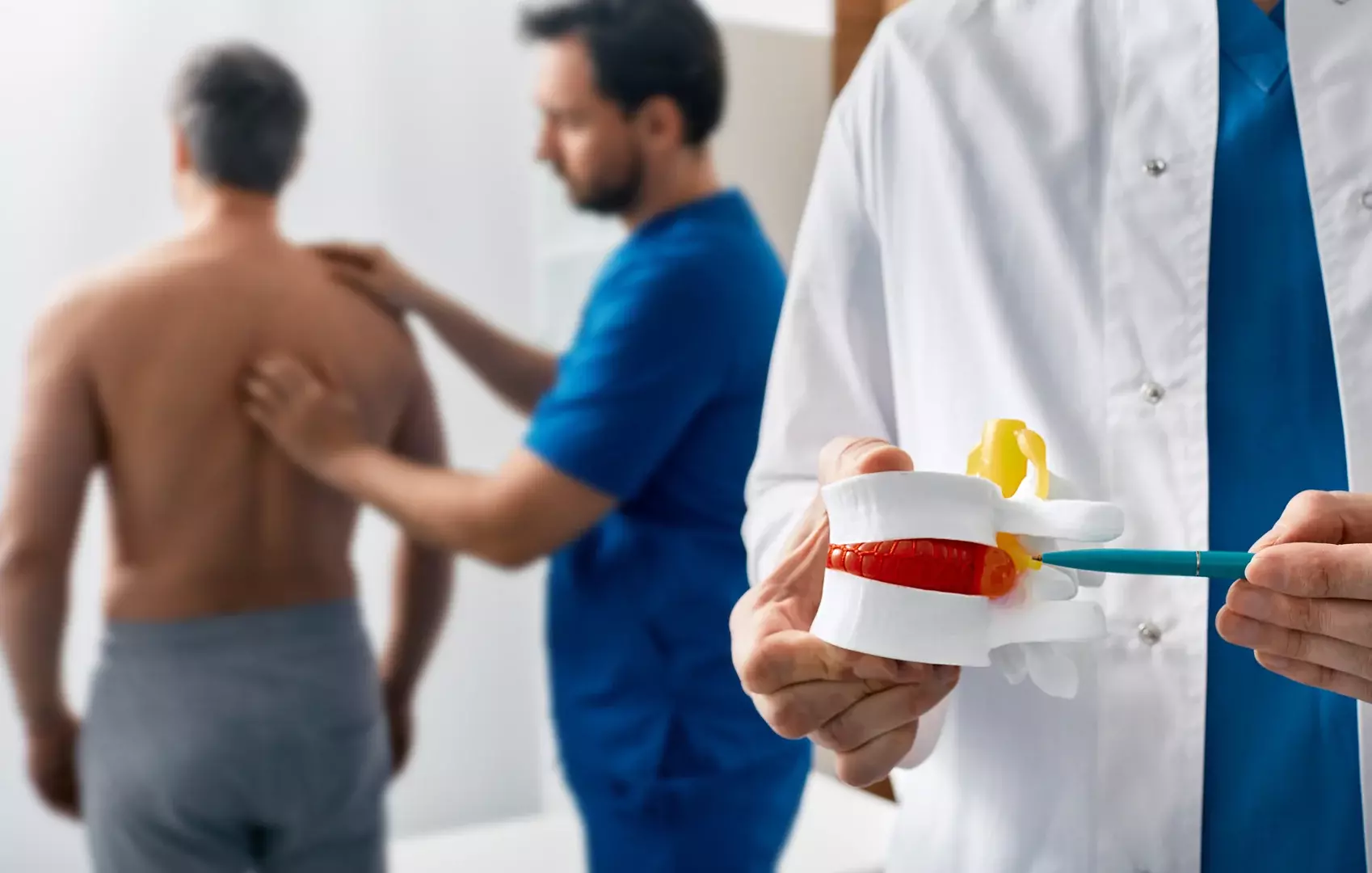
What is a herniated disc?
The spinal column is the skeleton of our whole body, made up of vertebrae. The vertebrae are the supporting elements, with discs between them. The spine must not only be strong and durable, but also flexible. This is achieved by the intervertebral discs, which act as a cushion to cushion the pressure and load between the vertebrae.
If you look at the ridge from the back, it is basically straight. A problem occurs when the spinal column moves sideways at any point, caused by a weak muscle, injury or other causes. In such a case, one or more vertebrae are subjected to a greater and asymmetrical load, resulting in damage to the cartilage between them under continuous loading.
If a disc becomes weak or dislocated, it can press on nerves, causing pain, numbness or limited movement. A herniated disc (disc herniation) is typically a condition where the outer fibrous ring of the disc ruptures and the inner gelatinous material protrudes. What is colloquially referred to as a herniated disc or cervical hernia is actually a herniated disc in these areas.
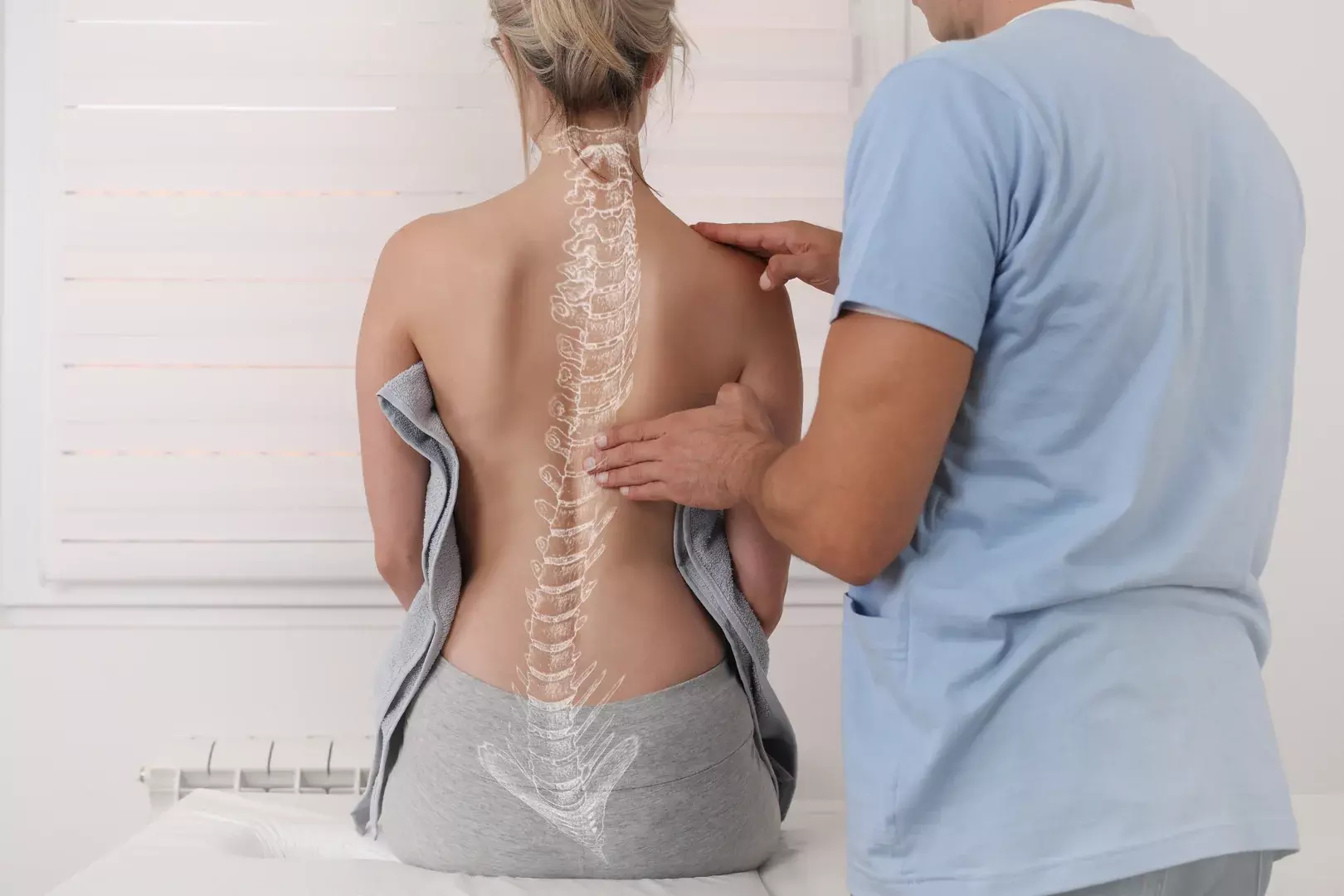
What are the symptoms of disc herniation?
A disc herniation symptoms vary depending on the part of the spine affected, and as you progress from top to bottom, may include:
- dizziness, nausea, discomfort
- neck pain
- pinprick sensation
- pain or numbness radiating into the shoulders, arms, possibly fingers
- muscle weakness in the arms and hands
- headache, which may be caused by neck tension
- pain radiating into the chest or abdomen
- difficulty breathing if the pain puts pressure on nerves connected to the ribs
- back pain
- pain radiating down through the hip to one or both legs (sciatica)
- numbness or tingling in the legs or feet
- muscle weakness in the legs
- urinary and bowel problems in severe cases
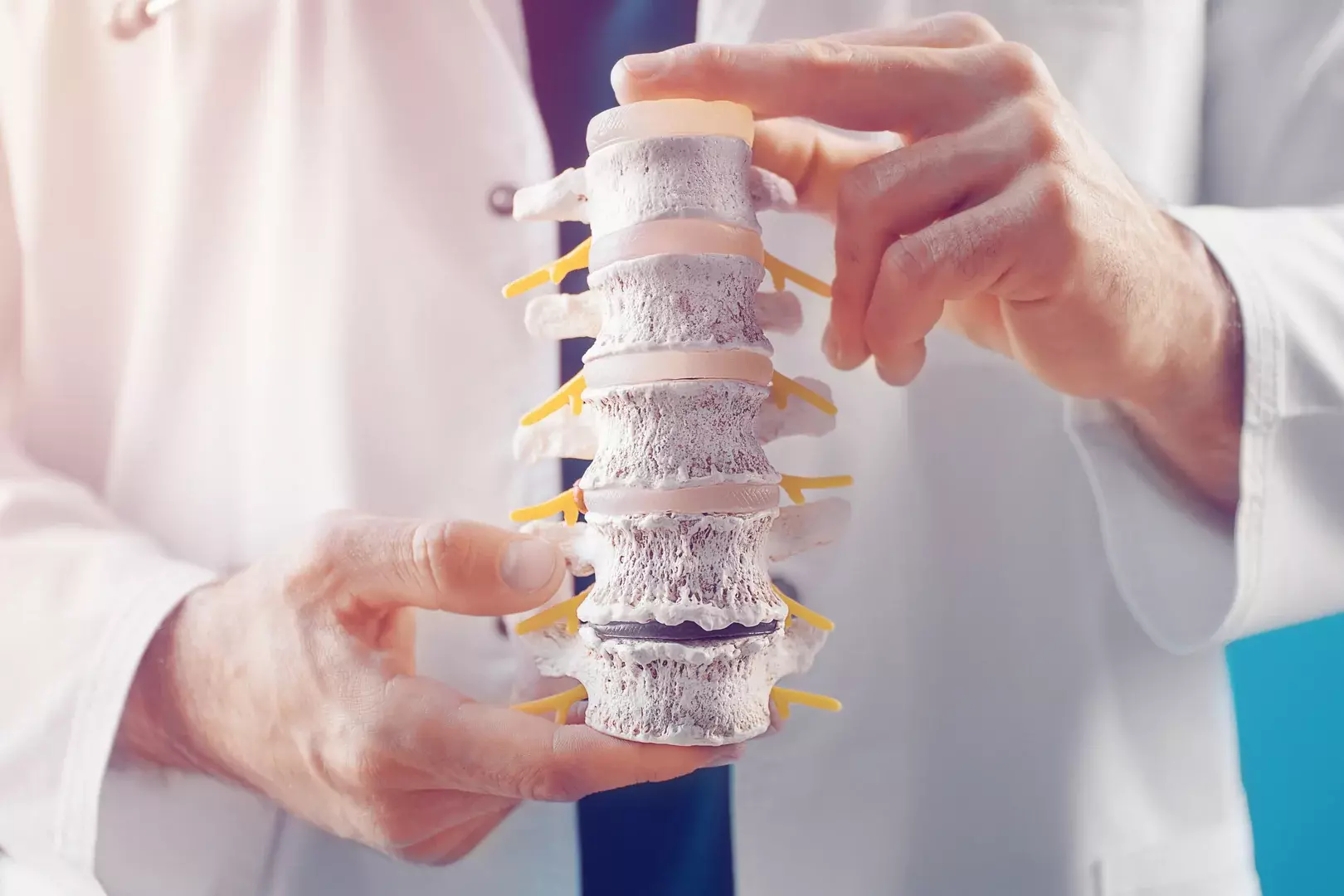
Types of herniated disc
- Cervical hernia: A hernia in the upper part of the spine that often causes pain in the neck, shoulders and arms.
- Lumbar hernia: A hernia in the lower back, which is the most common type of hernia. Mostly associated with pain in the lower back and radiating pain to the legs.
- Torn herniated disc: this is the most severe form of herniated disc, when the nucleus of the disc completely leaks out of the outer fibrous ring and directly presses on the nerves.
Causes of spinal hernia
Disc herniation can develop due to four main factors.
1. Mechanical loads
Mechanical stress can be one of the most common causes of herniated discs. The spine is constantly subjected to various physical forces, and when these forces exceed the spine's natural capacity, the discs can be damaged.
Herniated discs can be caused by poor posture, a sedentary lifestyle or even sudden lifting. The weakened back muscles of people with a modern lifestyle can also be a disadvantage. Prolonged unilateral strain (carrying a backpack incorrectly, sitting on a purse in a back pocket) can also be a risk. For athletes, lack of warm-up and stretching is a risk factor.
2. Inflammatory or infectious processes
Inflammatory processes are the body's number one enemy, and this is especially true for joints. Viral and bacterial infections can also attack joints and cause inflammation. Prolonged inflammation can cause the discs to weaken, bulge and become damaged. Some micro-organisms can also attack nerve fibres, which can damage the discs.
3. Metabolic disorders
Metabolic disorders, such as diabetes or gout, can damage the ability of cartilage and tissues to regenerate. These conditions negatively affect the elasticity of cartilage discs, increasing their vulnerability and contributing to the development of disc herniation. Disruption of the water balance is also a significant risk, as cartilage is a fibrous, elastic material that the body needs water to maintain.
4. Circulatory disorders
Circulatory problems that extend to the spine can also indirectly cause disc herniation. If they do not receive sufficient nutrients, they become weakened and are at increased risk of injury.
The psychological causes of herniated discs and herniated discs
Ayurveda approaches diseases not only from a physical but also from a spiritual and mental point of view, trying to heal the whole person. Musculoskeletal disorders can have not only physical but also psychological causes. Spinal hernias can also be caused indirectly by repressed emotions, inner conflicts, „carrying a heavy mental load”. Depressive and anxiety-related symptoms weaken the body's ability to cope, increase inflammation, and the risk is also increased by an inappropriate lifestyle.
Step-by-step treatment of disc herniation
The primary aim of the Ayurvedic approach is to restore harmony between body, mind and spirit. Ayurvedic treatments for disc herniation naturally relieve pain, reduce inflammation and promote disc regeneration. They use tools from ancient Eastern and modern Western medicine.
The first step in the treatment of cervical spinal hernia and disc herniation is to remove the underlying cause. The body needs to be cleared of the inflammatory condition as soon as possible, and harmful substances need to be eliminated. Mental problems should not be overlooked either, because although symptomatic and physical treatment is available, if the symptoms reappear two weeks later, the patient is still in the same place as before treatment.
The treatment of disc herniation often requires lifestyle changes: strengthening the extensor muscles (muscles that work against gravity), drinking enough fluids, sitting correctly, exercise and a steady workload.
At the Calendula Clinic, we have a wide range of treatment methods available for patients with herniated discs who wish to avoid surgery and opt for natural healing.
Panchakarma treatment
One of the most effective therapies in Ayurvedic medicine is panchakarma, which is a detoxifying and cleansing process. Its primary aim is to restore balance to the body. In the treatment of herniated discs, panchakarma can help to remove toxins accumulated in the body and reverse the inflammatory processes that significantly worsen the symptoms of herniated discs. Various oil massages, steaming and herbal enemas are used as part of the treatment to help the patient heal.
Indian Abhyanga massage
From abhyanga massage a full-body massage with warm herbal oils to increase circulation, reduce inflammation and relax muscles. The three benefits work together to strengthen the spinal back muscles, improve nutrition and deliver nutrients directly to the area of need. The treatment reduces pain and promotes tissue regeneration.
Manual therapy
A manual therapy a therapeutic method that uses manual techniques to treat the spine, joints and muscles. The aim is to improve the function of the musculoskeletal systems, reduce pain and restore mobility to the spine and joints. For herniated discs, the manual therapist may use gentle stretching, mobilisation or manipulation to relieve pressure on the discs.
Metameric therapy
A metamer therapy a modern method of Western medicine that focuses on the zones (metameres) innervated by the nerves originating in the spinal cord. The treatment involves injecting a therapeutic agent into the metameric areas to restore nerve function and reduce pain or inflammation in the areas affected by herniated discs. The active ingredient injected greatly aids nerve cell regeneration and improves nerve transmission.
Nerve root blockade
Nerves run from the spinal cord to the limbs, and when the root of one of these nerves running from the spinal cord becomes inflamed, the pain radiates to the limbs. A blockade injection reduces inflammation and pain by targeting this root cause of pain. The analgesic effect of the blockade injection is short-lived, but the elimination of muscle spasm and accompanying symptoms means that general well-being improves over a long period of time.
Can pockorrhagia be prevented?
In most cases, disc herniation is the result of a modern sedentary lifestyle. Basic rules for a healthy lifestyle can help protect the health of your discs.
Drinking fluids is a simple but effective way to help, as the inner core of the discs becomes saturated with fluid, which makes them more flexible. If we drink too little fluid, the discs become harder and more fragile.
Don't neglect exercise either! The human body was made to move. A sedentary lifestyle can damage the spine. A minimum of 2.5 hours (half an hour) of moderate-intensity cardio exercise per week (half an hour per day) is necessary to stay healthy. If you want to strengthen your spine, swimming can be a good way to do this.
Good meeting. If you can't avoid sedentary work, learn to sit properly. If you can, break up long periods of sitting by standing up and walking around.
Adequate body weight. Any excess weight puts extra strain on our joints and spine, so we should aim to build and maintain the right weight.
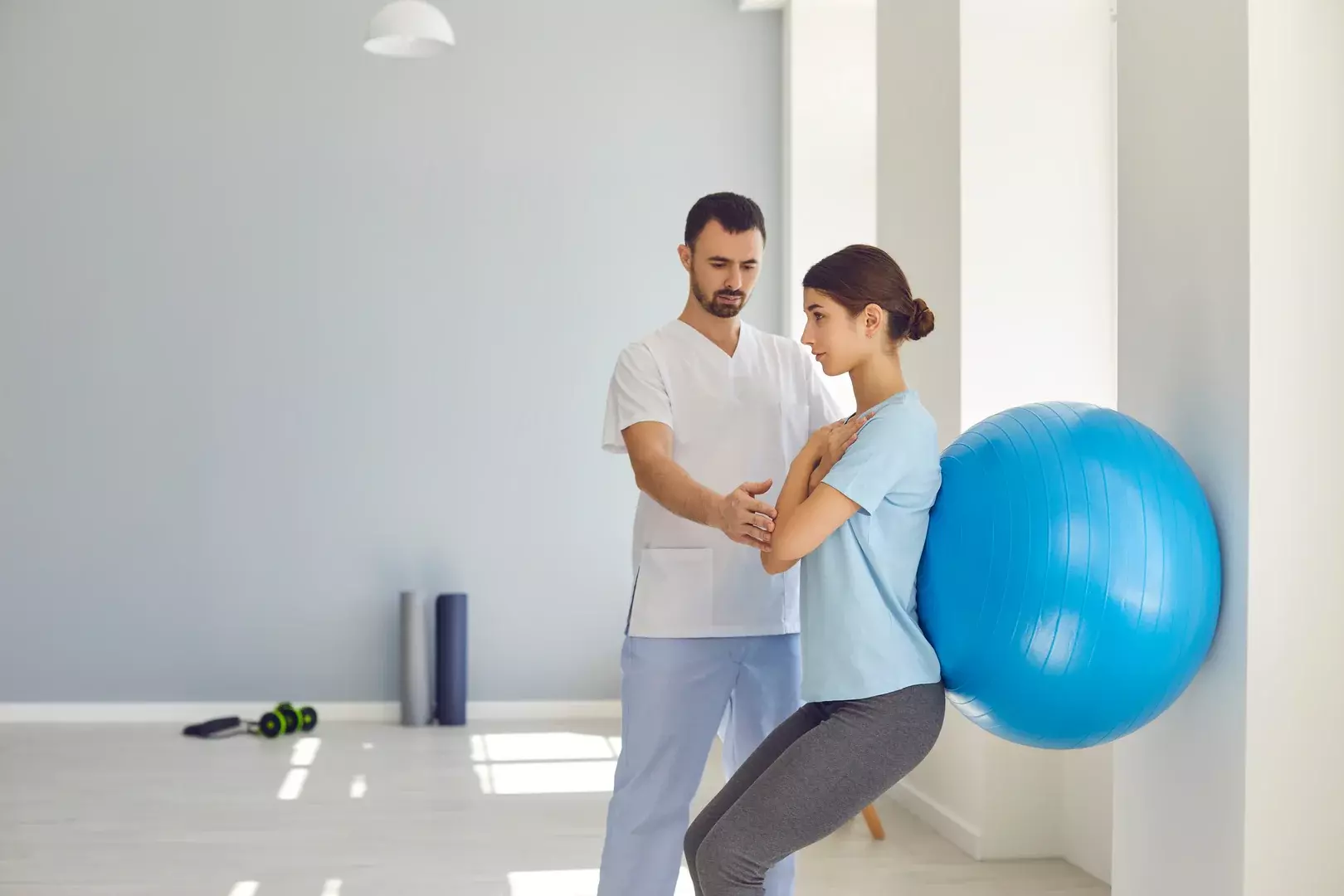
Ayurvedic lifestyle also helps treat herniated discs
According to the holistic approach of Ayurveda, proper diet and lifestyle play a fundamental role in healing. Therefore, at the Calendula Clinic, our patients are provided with a healing diet during their stay.
Eastern spices such as turmeric, ginger, garlic and green leafy vegetables all help to reduce inflammation in the body. In addition, avoiding heavy, fatty foods can also have a healing effect as they can increase the amount of toxins in the body. Minimising meat in the diet also reduces both of these harmful effects.
Herniated disc can be treated without surgery
When treating herniated discs, Ayurveda offers natural methods that not only help to relieve the pain, but also address the root cause of the problem. Whether it's a cervical hernia, a torn hernia or lumbar spine problems, the holistic approach of the Calendula Clinic makes it an effective alternative to surgery. By restoring harmony to body, mind and spirit, it can bring long-term relief to disc problems.
For a medical consultation, no-obligation information or to book an appointment, please contact our staff!