2024.11.27.
According to Eastern medicine, improper diet is the source of all health problems. According to the principles of Ayurvedic diet, food not only nourishes the body, but also the mind. Therefore, it makes sense to follow the so-called dosha, which is a diet of foods according to your temperament and constitution. Based on this, kapha, pitta and vata diets can be distinguished, which can be used to create a personalised Ayurvedic diet of detoxifying foods. In our blog article, we present the basics of the dosa diet.
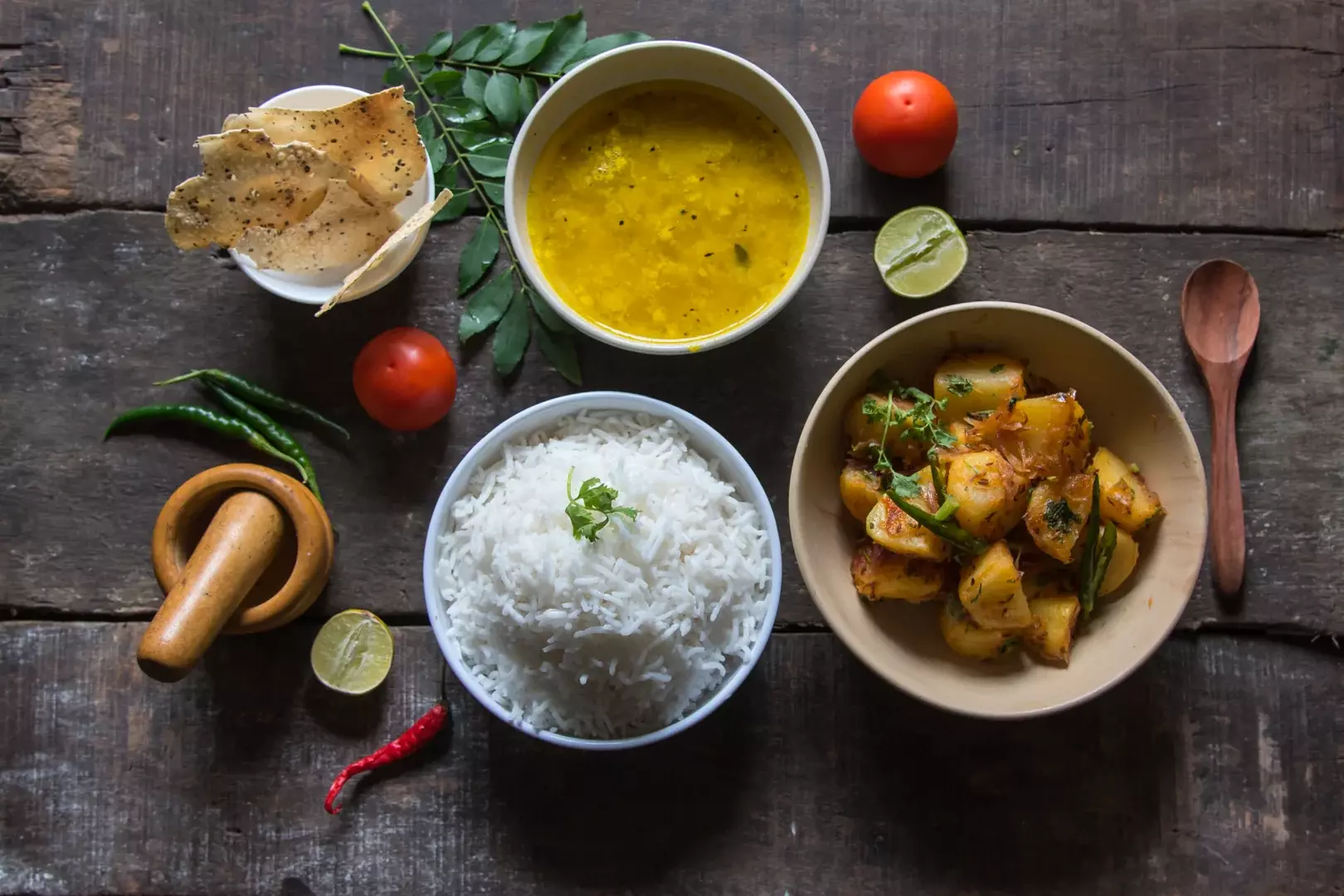
Health starts with Ayurvedic food
According to the Ayurvedic diet, providing adequate nutrients is the cornerstone of health. Although nowadays there are many recommendations for this, what to eat, it is important to underline that these are usually for the whole population, which can be problematic. Because they do not take into account the individual's own needs and organisational capabilities, the recommendations may work for some of the population but be less effective for others. The Ayurvedic diet fills this gap: it determines which foods are most beneficial to an individual's health according to their type.
It's important to stress that all the nutrients we take in are used down to the smallest cellular level: our organs, tissues, skin, hair and everything else in our bodies are built from what we eat. In addition, according to Eastern thinking, food and drink also affect our energy levels, well-being and behaviour.
Meals suitable for Dosacs
According to Ayurveda, the doshas are the basic energies or subtypes that determine the functioning of one's body and mind. In total, there are three types of doshas, which are present in everyone, but usually one or two dominate over the others. Maintaining the balance of the doshas supports health maintenance and the prevention of disease. But if the dosas are out of balance, it can lead to physical and mental problems.
Each of the three types of doshas within us is made up of a combination of elements:
- Vata (air and ether)
- Pitta (fire and water)
- Kapha (earth and water)
How to determine the dosage?
To determine a person's dosage, it is necessary to take into account their body type, mental characteristics, tendencies and diet. In many cases, a Ayurvedic doctor can give you an accurate picture of your soda levels and suggest appropriate lifestyle changes.
Classification of food according to dosas
In order to understand which foods are beneficial or harmful for each of the dosas, we need to take a closer look at their Ayurvedic properties. According to the Eastern concept, there are four main properties of food:
- taste (Rasa), which is perceived by the tongue
- energy (virja) that can cool or heat
- aftertaste (vipaka), which appears in urine, faeces and sweat after digestion
- the nature of food (prabhava) - the healing effect of food on the body and its effect on the soul and mind
Foods can be recommended for each type of salt taking these properties into account. Since it is easiest to distinguish between foods by taste, we have collected them in a clear table:
|
Taste |
Sweet |
Salty |
Sour |
Hot |
Bitter |
|
Őselem |
water + earth |
fire + water |
earth + fire |
air + fire |
ether + air |
|
Favorable |
vata, pita |
vata |
vata |
kapha |
pita , kapha |
Vata diet
People with vata dosha are recommended to eat foods that warming, nourishing and moisturising. A proper diet helps to soothe the stomach, maintain body heat and support digestion.
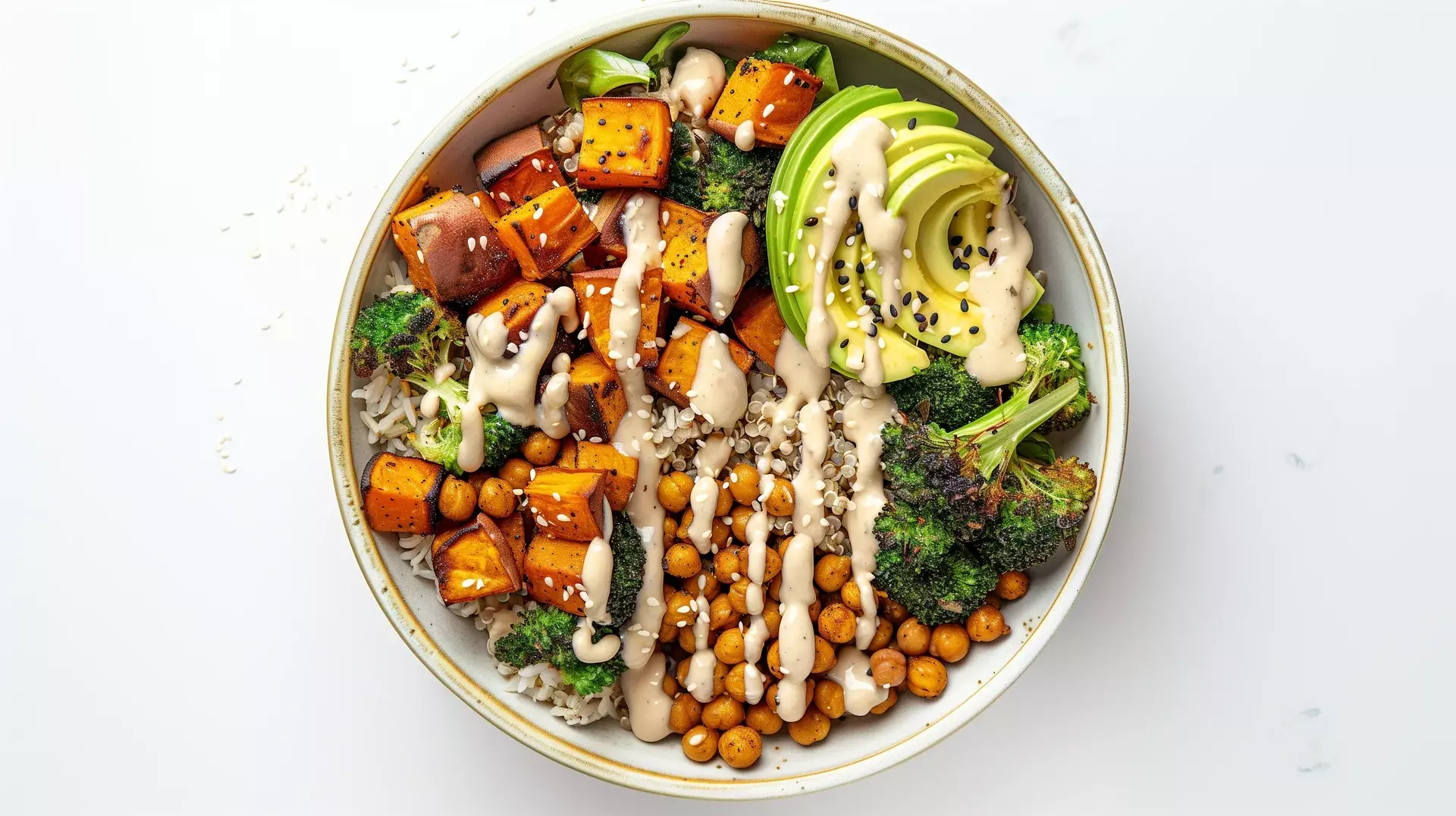
What should people with vata dosha eat?
- Hot, heavy, oily foods: Foods rich in oils are beneficial because they nourish the tissues and help to keep the body warm.
- Sweet, sour and salty flavours: Sweet (e.g. honey, dairy products), sour (e.g. lemon, yoghurt) and salty flavours are preferable, as they counteract the dryness and coldness that characterise vata.
- Cooked cereals and porridges: Cooked foods such as porridge, rice or pasta are easier to digest and keep the body warm.
- Soups and stews: These liquid, warm dishes are ideal for keeping the vata in balance.
What should people with vata dosas avoid?
- Cold, light, dry foods: Raw vegetables and salads, cold drinks and dry foods (e.g. crunchy biscuits) can increase the stomach.
- Hot, bitter, sour flavours: Strong spices, bitter vegetables and acidic foods can increase the stomach, so these should be eaten in moderation.
For vata-type people, adequate hydration is important, but at the same time cold drinks should be avoided. Warm, heating foods such as onions, garlic and ginger help to keep the body warm inside. In addition, these spices can also make stomach-heating foods friendlier to the body. Raw vegetables are more recommended to be eaten cooked, making them easier to digest and less stressful for the digestive system.
The vata diet is therefore based on warm, liquid and nutritious foods that help to keep the body and mind in balance. If the diet is well balanced, people with vata can feel more energetic and balanced.
Pitta diet
For people with a pitta-dosa, it is important that their diet cooling and soothing effect to help maintain a balance between body and mind. Here are some useful tips for balancing your pies:
What should people with a sweet tooth eat?
- Cool, dry, light food: Cooling foods, such as fresh fruit and vegetables, help reduce the heat of the pie.
- Sweet, bitter, tart flavours: Sweet (e.g. coconut milk, dairy), bitter (e.g. green leafy vegetables), and tart (e.g. pomegranate) flavours balance the hot nature of the pie-type.
- Cooked or raw foods: Cooked foods are nourishing, while raw foods can be refreshing, so it's worth including both in your diet.
What should people with a sweet tooth avoid?
- Salty, sour, spicy foods: Intense, spicy foods can increase the intensity of digestion for people with a pâté-type stomach and further increase body heat.
- Oily, heavy, hot foods: Avoid excessively oily and heavy foods, as these can strengthen the pitta-dosa, increasing the digestive fire.
- Pre-packaged, canned food: They often contain preservatives that are bad for the pies and should be avoided.
People with the pitta type should avoid overly hot or spicy foods, instead for materials with a cooling effect is worth concentrating on. Coconut milk and fennel, for example, can soften the heat of a pie and help balance heavier foods. Proper hydration is important, but avoid drinks that are too cold and opt for lukewarm but cooling drinks instead. Alcohol is also not recommended as it increases body heat.
A proper diet for people with pitta promotes inner harmony, reduces heat and helps avoid irritation. The focus is therefore on fresh, light and refreshing food which have a calming effect on both body and mind.
Kapha diet
For people with kapha dosha, the main aim of the diet is to lightness and dryness prioritising. To counteract the heaviness and sluggishness that characterises kapha-dosa, it is a good idea to choose foods that support metabolism and promote lightness. Here are some guidelines for maintaining kapha balance:
What should you eat?
- Hot, light and dry foods: Warm, light foods activate the metabolism, while dry foods reduce kapha-dose.
- Bitter, tart, spicy flavours: Stronger flavours, such as hot spices (e.g. ginger, chilli) and bitter vegetables (e.g. endive, spinach), help to counteract the heaviness and reduce mucus build-up.
- Fresh fruit, vegetables and pulses: When designing your diet, it is important to focus on eating a variety of fresh vegetable ingredients, as they are light and nutrient-rich.
What to avoid?
- Sweet, salty, sour dishesA: These flavours increase kapha-dose, so it is advisable to moderate their consumption, especially sweets and heavy, salty foods.
- Oily, fatty foods: Oily foods increase the difficulty of kapha, so it is better to avoid dairy products and animal fats.
- Cold food and drinks: Cold foods and drinks slow down the metabolism, so people with kapha type should prefer warm foods and drinks.
For kapha-type people, it is important to regular and conscious eating habits to develop. Snacking should be avoided, and skipping meals is not a problem for them, as they tolerate fasting well. Dry foods such as crackers and toasted foods help reduce mucus in the body and promote lightness. It is also a good idea to minimise the consumption of dairy products.
The kapha diet is therefore not a short-term diet, but a lifelong lifestyle change, designed to keep you light and energetic. The right diet can help maintain balance and promote long-term well-being.
Ayurvedic food: how and when to eat?
In Ayurvedic nutrition, three main meals a day is considered ideal. According to Ayurveda, if these are properly balanced, snacking becomes unnecessary. The recommended time between meals is 3-6 hours and it is advisable to eat at the same time every day.
It's important never to eat when you're not hungry - your body will tell you exactly when it needs food, you just have to listen.
The importance of meals
For breakfast choose foods that don't put a strain on your stomach, but still give you enough energy to start the day. These could be smoothies or a variety of cereals.
The most important meal is lunch, which is recommended to be eaten between noon and two o'clock, as this is when digestion works best. It is also a good time to choose heavier foods, as this is when the body can process them most efficiently.
For dinner lighter meals are recommended, and should be eaten by 7.30 at the latest. If for some reason this is not possible, it is important to eat your last meal at least two hours before going to bed.
How we eat also matters
It's not just what we eat, but how we do it that matters. Take time to eat and never rush when you eat. A relaxed environment where we focus only on eating helps us to enjoy our food and digest it. It's important not to watch TV, read and avoid stressful situations. An upset emotional state not only has a bad effect on digestion, but also on food choices: we tend to reach for unhealthier foods or sweets.
The Ayurvedic diet advocates the choice of ingredients according to our diet and the season. The emphasis is on eating seasonal fruits and vegetables and it is particularly important that the ingredients are freshly prepared. It is best to cook with quality home-grown foods and to avoid foods that are stored for long periods. Flavouring is also a priority, as different spices not only make food tastier but also healthier.
Fruits require special attention: never eat them with other foods and only combine 2-3 types of fruit at a time. Do not eat raw food with cooked food - Ayurveda says that it is best to eat the two types of food separately. This diet is not a short-term solution, but a long-term lifestyle change aimed at supporting digestion and maintaining body-mind balance.
Healing Ayurvedic meal at the Calendula Clinic
The Calendula Clinic offers authentic Ayurvedic cuisine for guests with different types of doshas, who wish to heal and detoxify. In addition to Ayurvedic cleansing treatments, the Calendula Clinic's professionals also provide assistance in the treatment of acute and chronic diseases.