
2024.12.13.
News / Post Page
How does acupuncture help?
Acupuncture is a traditional Chinese medicine that dates back thousands of years. It is based on the principle of balancing the flow of life energy in the body, qi (pronounced chi). This life energy circulates through specific channels (called meridians) in the body. If something blocks this flow, it causes illness, pain and discomfort. Acupuncture believes that balancing qi also triggers the body's self-healing processes. The method itself involves the insertion of fine needles at specific points on the body. In recent decades, the method has become increasingly popular, spreading not only in the Far East but also in our country. Research has shown that it is a safe and painless alternative to, or complementary to, modern therapies in the treatment of many diseases.
How does acupuncture work?
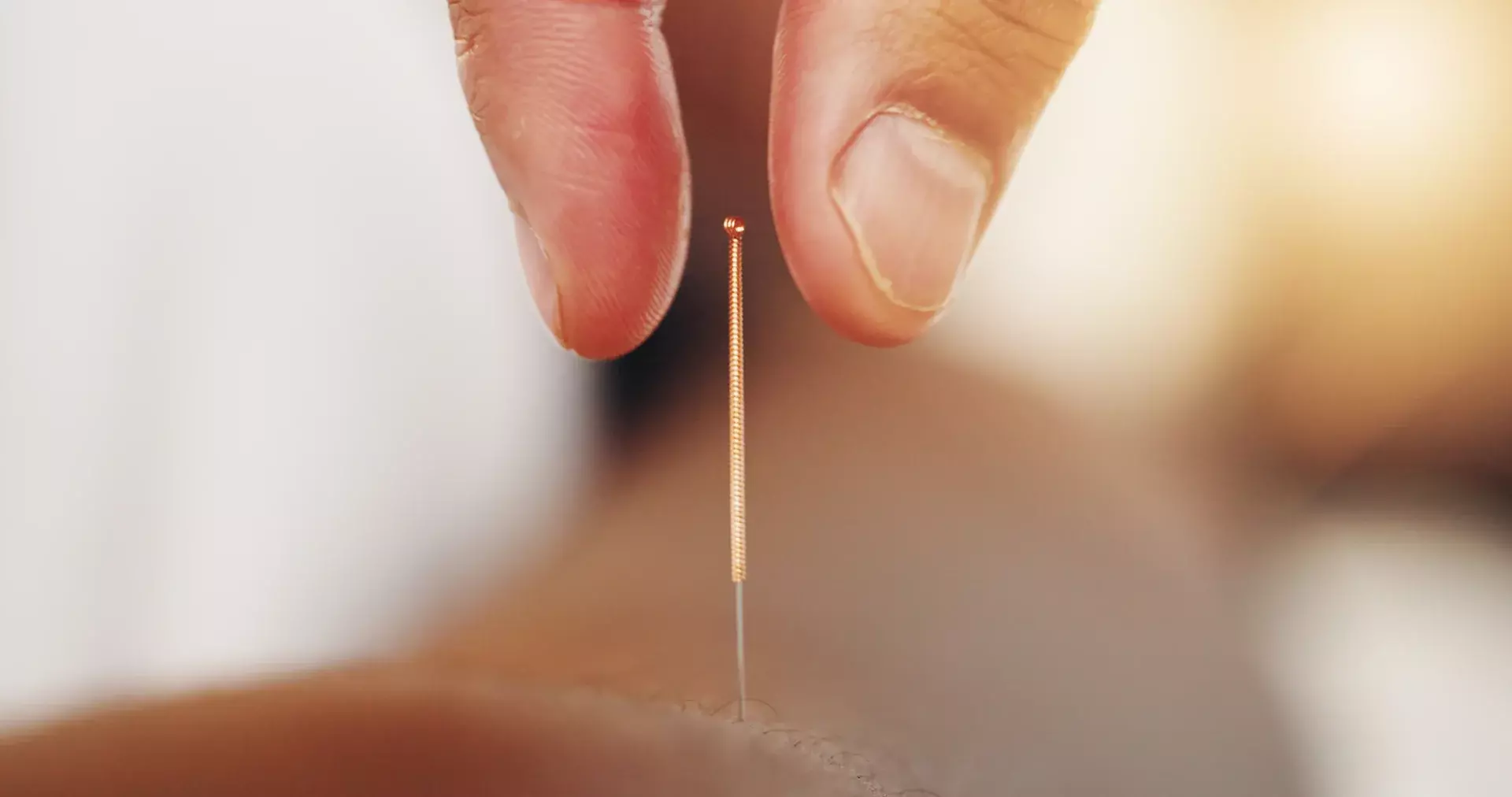
Acupuncture treatment uses tiny, hair-thin needles. They are placed at specific points on the meridians that surround your body to regulate the flow of qi. The stimulation from the needles activates our central nervous system, where it releases the hormone endorphin, a natural painkiller. The procedure also improves blood circulation, which stimulates the delivery of oxygen and nutrients to the affected area. It also reduces inflammation and muscle tension. Its overall beneficial effect is to help the body relax, thus improving well-being and general well-being.
Why is acupuncture popular as a complement to modern treatments?
Stress and sedentary lifestyles are a feature of almost all modern people. In this situation, acupuncture is an easily accessible, natural and side-effect-free solution. Acupuncture treatment does not treat the symptoms but the causes. In other words, it addresses the root cause of the problem, ideally leading to complete symptom relief and recovery. In doing so, it helps to restore harmony between body and mind.
What is acupuncture as an approach for?
The popularity of acupuncture is attributed to a number of experiences and characteristics. What these descriptions have in common, however, is that they highlight how effective complementary therapyas. It can effectively support western medical approaches and therapies such as medication or physiotherapy. Like Ayurveda holistic approachtreats the human body as a unit. In acupuncture, an intervention at one point affects the whole body. In contrast, Western medicine often only looks at individual organs or organ systems in isolation. Acupuncture treatments are gentle: they do not stress the body or cause discomfort or side effects. Nevertheless, they effectively support the body's self-healing processes.
For which diseases is it most commonly used?
Pain relief
If you were to ask the man in the street what acupuncture is good for, most people would probably say pain relief. In common parlance, this is the effect that most justifies its acceptance. It is indeed popular and effective in relieving pain in the back, neck and joints. Besides the relief of muscle tension and stiffness, the reduction of inflammation is the greatest relief for patients.

Relaxation effect
More and more people are turning to natural remedies such as yoga, breathing exercises or even acupuncture instead of taking tranquillisers and anti-anxiety pills. The treatments put our bodies into an active state of relaxation, which reduces the levels of cortisol (commonly known as the stress hormone) in our bodies.
Insomnia
For many, the effects of stress are manifested in sleep disturbances, while for others they are a complication of various health problems. Acupuncture has a beneficial effect on our body's production of melatonin, which plays a key role in regulating the sleep cycle and achieving restful, deep sleep.
Relieving the symptoms of chronic diseases
There are many chronic diseases whose symptoms can be alleviated and controlled with acupuncture. In the case of migraine or chronic headaches, it can effectively reduce the intensity and frequency of pain. It can also relieve seasonal allergic symptoms by strengthening the immune system. And for people suffering from irritable bowel syndrome (IBS), it reduces bloating and stomach pain.
Gynaecological problems
Acupuncture is also effective in relieving symptoms caused by hormonal imbalances. By restoring hormonal balance and reducing the intensity of cramps, it is an effective treatment for menstrual pain. And for menopausal women, it effectively combats hot flushes, irritability and sleep disturbances.
Are there risks associated with the method?
Acupuncture is generally safe and free of side effects, but there are cases where it needs to be used with caution. Even in these situations, it is not forbidden, but greater caution is required. Pregnancy some meridians and points on the body should be avoided as they may cause uterine contractions. Haemophilia in the case of either anticoagulant medicines it is also important to be vigilant when using. Minor injuries caused by needle pricks can cause bleeding. Communicable diseases or skin problems affected areas should also be excluded from treatment to avoid the risk of infection and further spread of infection. These minor risks also show that, although it is a seemingly simple method, the experience and training of an acupuncturist is essential. In all cases, knowledge of the patient's state of health and prior consultation with a specialist are necessary.
How long does it take for acupuncture to work?
The time to notice improvement after treatment varies from patient to patient. Many factors influence how long or after treatment positive experiences are reported. The most important factors are the health of the body and the severity of the problem. Also, the body's ability to respond varies from person to person, so no two people in the same state of health will experience improvement at the same rate.
For pain relief and stress relief, many patients report improvements after the first treatment. For acute problems or more complex diagnoses, the first positive changes are typically felt after 3-5 sessions. The time to full improvement can be measured in weeks or months.

How to choose the right treatment?
Although the criteria for choosing a clinic for acupuncture seem clear, unfortunately it is often the case that one (or worse, all) of these criteria are missing.
Only a combination of three factors can ensure the effectiveness of treatment. You need an experienced practitioner who has an accurate, up-to-date knowledge of acupuncture and sufficient practical experience. The use of sterile equipment is essential to avoid possible infection and can best be ensured in a controlled institutional environment. The effectiveness of treatments is based on a personalised approach and a view of the body as a whole. This requires a thorough knowledge of the patient's physical condition and diseases.
At the Calendula Clinic, we believe it is of the utmost importance to serve our patients to the highest possible standards. Our experienced professionals provide comprehensive, effective treatment using a combination of traditional Eastern methods and modern medical approaches.
Acupuncture - effective help without side effects
Acupuncture is an ancient Eastern method that is becoming increasingly popular in modern times. It is effective in reducing inflammation and pain. These are the main indications, but it can also be effective in many other areas. It is an effective complement to modern therapeutic approaches, without contraindications or side effects. The method is painless, with needle pricks causing only minor discomfort. The success of the method is guaranteed by the fact that the procedures are carried out in an appropriate institution, under controlled conditions, by experienced professionals.





Thank you!
Your reservation request has been successfully recorded!
Our colleagues will contact you soon!